
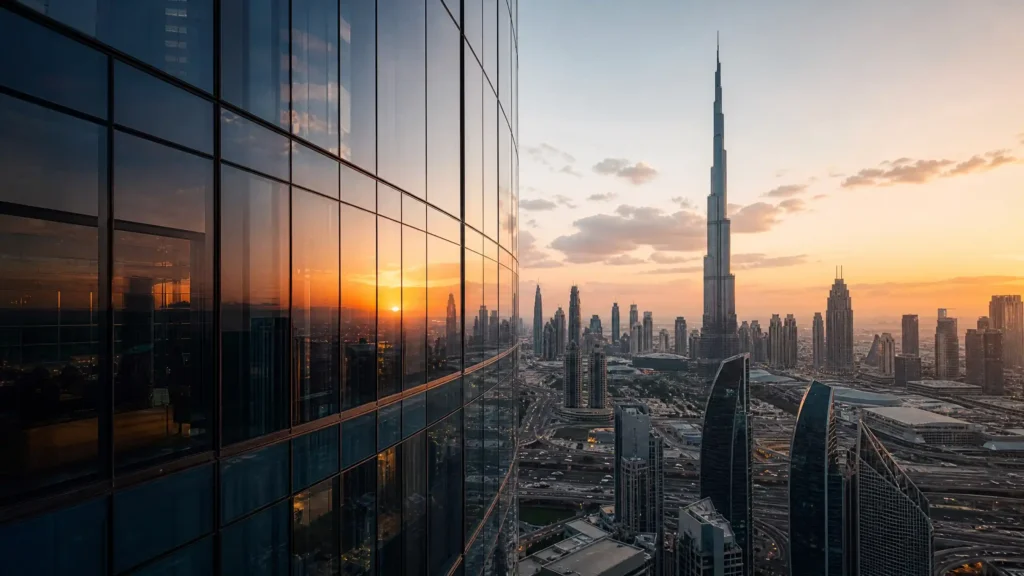
The dubai glass industry is no longer just about windows, mirrors, and simple glass cutting. In Dubai, glass has become part of modern architecture, luxury interiors, marine projects, villas, towers, hotels, restaurants, malls, offices, and high-end residential spaces.
From large curtain wall glass on skyscrapers to custom shower enclosures inside homes, the demand for better glass solutions keeps growing. Dubai’s weather, building style, safety rules, and green building needs have changed the way glass is selected, fabricated, and installed.
At Elegant Rooms, we see glass as more than a finishing material. The right glass can control heat, reduce noise, improve privacy, add safety, save energy, and make a space feel more open and premium. This guide explains the Dubai glass industry in simple words, including the main products, services, uses, and trends shaping the market.
The Dubai glass industry is growing fast because modern buildings need more than basic glass. From architectural glass, tempered glass, laminated glass, smart glass, Low-E glass, and marine glass to façade glazing, shower enclosures, partitions, and custom installation, Dubai’s market is driven by construction growth, heat control, energy efficiency, safety, and luxury design. For homes, offices, hotels, and commercial projects, choosing the right glass helps improve comfort, privacy, durability, and overall space value.
The term dubai glass industry can mean two things.
First, it refers to the full glass sector in Dubai and the UAE. This includes glass manufacturers, glass suppliers, glass contractors, glass fabricators, aluminium and glass companies, architectural glazing specialists, façade contractors, interior fit-out teams, and marine glazing experts.
Second, many people also search for Dubai Glass Industry as a company name. Public information describes Dubai Glass Industry as a glass, aluminium, stainless steel, architectural, interior, and marine glazing specialist based in Dubai. Its own website says the company began its journey in 1972 and works across architectural glass, interior glasswork, and marine vessel glass.
In this blog, we are mainly talking about the wider glass industry in Dubai, while also answering common questions people ask about Dubai Glass Industry as a searched company name.
Dubai’s skyline explains a lot. Glass is everywhere: towers, villas, hotels, shopping centers, offices, clinics, restaurants, schools, and waterfront projects. The growth is not only about beauty. It is also about performance.
The UAE flat glass market is expected to grow strongly toward 2030, with verified market data showing growth of around 6% CAGR. Construction, infrastructure, luxury interiors, and energy-efficient building needs are major reasons behind this demand.
Dubai’s construction boom also creates constant demand for:
Architectural glass
Curtain wall glass
Structural glazing
Double glazed glass
Tempered glass
Laminated glass
Low-E glass
Solar control glass
Glass partitions
Shower enclosures
Mirrors
Glass handrails
Marine glass
Custom glass works
Dubai’s building environment is tough. High UV exposure, sand, heat, humidity, and strong sunlight all affect glass performance. That is why ordinary glass is often not enough. Projects now need heat treated, UV resistant, energy efficient, sound proof, security rated, and sometimes fire rated or blast proof glass.
Dubai is hot for a large part of the year. If the wrong glass is used, indoor spaces can become warmer, air conditioning costs can rise, and comfort can drop.
This is where technical glass comes in.
For example, Low-E glass helps reduce heat transfer. Solar control glass reduces solar heat gain. Double glazed glass, also called an insulated glass unit or IGU, improves thermal performance and sound reduction. In simple terms, better glass helps keep the inside cooler, quieter, and more comfortable.
Important technical terms used in the glass industry include:
U-value: Measures how much heat passes through glass. Lower is usually better for insulation.
SHGC: Solar Heat Gain Coefficient. It shows how much solar heat enters through glass.
IGU: Insulating glass unit, usually two or more panes sealed together.
Vision glass: Clear glass used where people need to see through.
Spandrel glass: Glass used to cover structural parts of a building.
Interlayer: A layer inside laminated glass, often PVB or SGP, used for strength and safety.
For Dubai buildings, these terms are not just technical details. They affect comfort, bills, safety, and green building compliance.
Architectural glass is used in building design. It includes façade glass, curtain wall glass, windows, doors, partitions, skylights, handrails, and large exterior glazing systems.
In Dubai, architectural glass must look good and perform well. It should manage sunlight, heat, glare, safety, and wind load. For towers and commercial projects, glass is often selected based on solar control, thermal performance, coating type, safety rating, and building code needs.
Tempered glass is heat treated to make it stronger than normal annealed glass. When it breaks, it usually breaks into small blunt pieces instead of sharp large shards.
It is commonly used for:
Shower enclosures
Glass doors
Glass partitions
Table tops
Glass handrails
Shopfronts
Interior fit-out projects
Tempered glass is popular because it gives strength, safety, and a clean modern look.
Laminated glass is made by bonding two or more glass layers with an interlayer such as PVB or SGP. If the glass breaks, the interlayer helps hold the pieces together.
It is used where safety, security, sound reduction, or fall protection matters. In Dubai, laminated glass is common in façades, skylights, railings, large windows, and areas where impact resistance is needed.
Double glazed glass, also called an insulated glass unit, has two panes with a sealed air or gas space between them. The unit is hermetically sealed to reduce heat and sound transfer.
In Dubai, IGUs are useful for villas, offices, hotels, apartments, and commercial buildings. They support energy efficiency, sound proofing, and better indoor comfort.
Low-E glass has a special coating that helps control heat transfer. It is very useful in hot climates like Dubai because it can reduce unwanted heat while still allowing natural light.
Low-E glass is often used in energy-efficient buildings, villas, office façades, and projects aiming for green building targets.
Solar control glass is designed to reduce heat and glare from sunlight. Dubai buildings face strong sunlight for much of the year, so solar control glass helps maintain a better indoor environment.
It is commonly used in façades, windows, curtain walls, and large glazed areas.
Switchable glass, also known as smart glass or PDLC glass, can change from clear to private with electrical control. It is often used in offices, clinics, hotels, meeting rooms, luxury bathrooms, and premium homes.
This glass is useful when a space needs both openness and privacy.
Fire rated glass is used where fire safety is required. It can help slow the spread of fire, smoke, or heat depending on the rating and system used.
It is commonly used in commercial buildings, stairwells, corridors, schools, hospitals, and high-occupancy spaces.
Glass is now a major part of interior design in Dubai. It helps create open layouts, clean lines, and a premium finish.
Popular interior glass applications include:
Glass partitions
Frameless shower enclosures
Mirrors
Table tops
Glass doors
Glass shelves
Glass handrails
Decorative panels
Smart glass privacy partitions
For villas and apartments, glass can make rooms feel larger and brighter. For offices, it creates open workspaces while still allowing privacy through frosted glass, smart glass, or acoustic glass systems.
Elegant Rooms often looks at glass from both design and function. A glass partition should not only look beautiful. It should also be properly measured, safely installed, and suitable for daily use.
A strong glass company in Dubai usually offers more than supply. Good results depend on fabrication, measurement, processing, and installation.
Common services in the Dubai glass industry include:
Glass fabrication includes cutting, shaping, polishing, drilling, edging, and preparing glass for final use. Custom glass Dubai projects often need accurate fabrication because every opening, frame, and site condition can be different.
Glass tempering makes glass stronger through heat treatment. It is used for safety glass applications such as doors, shower screens, partitions, and railings.
Polishing gives glass smooth edges. Beveling creates angled decorative edges, often used in mirrors, table tops, and luxury interior glass.
Double glazing involves making insulated glass units. These must be properly sealed to prevent moisture, dust, and air leakage.
Many glass projects also need aluminium frames, profiles, curtain wall systems, sliding doors, windows, and structural supports. This is why many Dubai glass companies also offer aluminium fabrication.
UPVC windows are used in villas, apartments, and buildings where thermal insulation, sound reduction, and low maintenance are important.
Powder coating is used on aluminium and metal frames to improve finish, durability, and appearance.
Even high-quality glass can fail if it is installed badly. Proper glass installation includes accurate site measurement, frame preparation, silicone sealant, gasket systems, alignment, safety handling, and final inspection.
Façade maintenance keeps building exteriors safe, clean, and functional. In Dubai, façade glass must handle dust, heat, wind, and long-term exposure.
Marine glazing needs special care because vessel glass faces movement, vibration, water, and changing conditions.
Modern Dubai buildings often use large glass façades. Two common systems are structural glazing and curtain wall glass.
Curtain wall glass is a non-structural outer covering of a building. It protects the inside from weather while allowing light and views.
Structural glazing uses glass bonded with silicone structural sealant or supported with special systems. It gives a clean exterior look with fewer visible frames.
These systems need expert design, correct glass selection, tested materials, and professional installation. Performance depends on the full system, not just the glass pane.
Dubai’s building rules and sustainability goals have increased the need for better glass. Dubai Municipality introduced green building regulations, and Al Sa’fat is now a key green building system in Dubai.
Energy efficient glass supports green building goals by reducing heat gain, lowering cooling load, improving indoor comfort, and supporting better thermal performance.
For projects aiming for LEED certification or local green building compliance, glass selection can affect energy performance. Low-E glass, solar control glass, double glazing, thermal break systems, and insulated units can all help.
Thermal break technology is also important in aluminium and glass systems. It helps reduce heat transfer through frames, which is very useful in Dubai’s climate.
Dubai buildings use many glass types depending on the project. A luxury villa may use double glazed low-E glass for comfort, frameless tempered glass for bathrooms, and laminated glass for railings. A commercial tower may use curtain wall glass, structural glazing, spandrel glass, solar control glass, and coated glass.
Common glass types used in Dubai buildings include:
Tempered glass for safety and strength
Laminated glass for impact safety and sound reduction
Double glazed glass for insulation
Low-E glass for energy efficiency
Solar control glass for heat and glare control
Fire rated glass for safety zones
Smart glass for privacy
Coated glass for performance
Spandrel glass for façade design
Vision glass for views and natural light
The right choice depends on location, heat exposure, budget, safety needs, acoustic needs, and design style.
When choosing a glass company in Dubai, do not look only at price. Glass work needs skill, accuracy, and safety.
Check these points:
Does the company understand architectural glass, interior glass, and installation?
Can it provide custom shaped cutting and digital precision measuring?
Does it offer tempered, laminated, double glazed, and coated glass options?
Can it work with aluminium fabrication and proper frame systems?
Does it understand Dubai heat, UV exposure, sand, and water leak issues?
Can it handle glass partitions, shower enclosures, mirrors, handrails, and table tops?
Does it provide proper site measurement and after-installation support?
For large projects, also check technical submittals, glass specifications, warranty terms, safety ratings, and previous work.
The Dubai glass industry also creates career opportunities. Companies may hire for roles such as:
Glass fabricators
Glass installers
Aluminium fabricators
Site supervisors
Project engineers
Façade technicians
Machine operators
Powder coating workers
Sales executives
Draftsmen
Interior fit-out coordinators
Marine glazing specialists
People interested in working with Dubai Glass Industry or any glass company in Dubai should check the company website, LinkedIn page, or job portals for current openings. Hiring status changes often, so it is better to confirm directly.
The dubai glass industry is growing because Dubai needs glass that can do more than look good. Buildings now need heat control, UV resistance, safety, privacy, sound reduction, energy efficiency, and long-term durability.
From architectural glazing and curtain wall glass to smart glass, marine glass, shower enclosures, mirrors, handrails, and double glazed units, glass has become a major part of modern Dubai design.
For homeowners, contractors, designers, and developers, the best choice is not always the cheapest glass. The best choice is the glass that fits the space, climate, safety needs, energy goals, and design style.
At Elegant Rooms, we believe glass should make a room brighter, safer, cooler, quieter, and more beautiful. That is the real value of choosing the right glass solution in Dubai.
Dubai glass industry refers to the glass manufacturing, fabrication, supply, glazing, and installation sector in Dubai. It includes architectural glass, marine glass, interior glass, aluminium and glass works, façade systems, and custom glass solutions.
The Dubai Glass Industry website states that its journey began in 1972. Other public profiles describe the company as a long-running glass, aluminium, and mirror business with manufacturing and installation services.
Dubai has many glass companies, including glass suppliers, aluminium and glass contractors, façade specialists, glass fabricators, and architectural glazing companies. Known market names include Emirates Glass and other local glass manufacturers, processors, and contractors.
Architectural glass is glass used in buildings. It includes windows, doors, façades, curtain walls, partitions, railings, skylights, and decorative interior glass.
Marine glass is used in yachts, boats, ships, portholes, vessel windows, and marine interiors. It must handle movement, water exposure, vibration, and safety needs.
Dubai’s construction boom increases demand for architectural glass, façade glass, double glazing, solar control glass, interior glass, and custom glass installation. More buildings mean more need for safe, energy-efficient, and stylish glass systems.